
We meet so many people who genuinely want to improve their health but are overwhelmed by all the information out there. Supplements can be incredibly helpful—but only when they’re used correctly. What many don’t realize is that some nutrients only become effective when paired with another ingredient. These combinations can make a noticeable difference in how your body absorbs, uses, and benefits from your supplements.
Today, we’re diving into a few lesser‑known supplement duos that work better together. We’ll also share important notes on who should not take them, and—as always—why consulting your healthcare provider is essential.
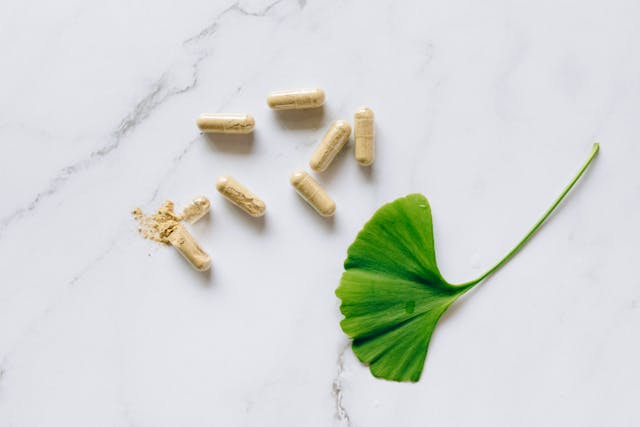
Why Certain Supplements Need a Partner
Not all vitamins, minerals, and herbal extracts can easily be absorbed on their own. Some need:
- A carrier ingredient to boost absorption
- A complementary nutrient to activate them
- The right form or environment (like healthy fats or acidity)
- A balance of minerals to prevent deficiencies
These pairings are not marketing gimmicks—they’re rooted in how the human body actually processes nutrients.
Let’s break down a few powerful combinations.
🔶 1. Turmeric + Black Pepper
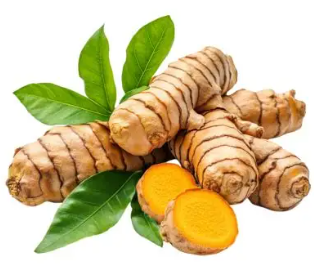
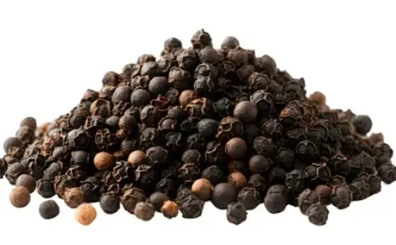
Curcumin, the active compound in turmeric, has impressive potential—but the body struggles to absorb it efficiently. Piperine, found in black pepper, can dramatically increase curcumin absorption.
Why they work together: Piperine slows the breakdown of curcumin in the digestive tract, allowing more to enter the bloodstream.
Best for:
- Supporting a healthy inflammatory response
- Overall wellness and joint comfort
Who should avoid it:
- Those on blood‑thinning medications
- Anyone preparing for surgery
- People with gallbladder issues
🔶 2. Magnesium + Vitamin B6
Magnesium plays a major role in muscle function, stress response, and energy production. Vitamin B6 helps your cells absorb and utilize magnesium more effectively.
Why they work together: B6 acts as a helper molecule, allowing magnesium to cross cell membranes more efficiently.
Best for:
- Relaxation
- Sleep support
- Mood balance
Who should avoid it:
- Individuals with kidney disease
- Anyone already taking high doses of B‑complex vitamins
🔶 3. Iron + Vitamin C
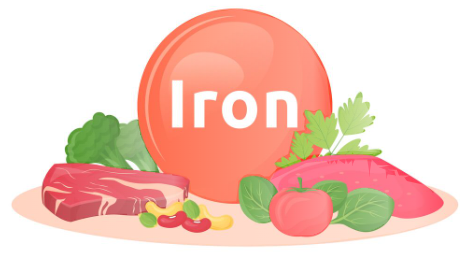
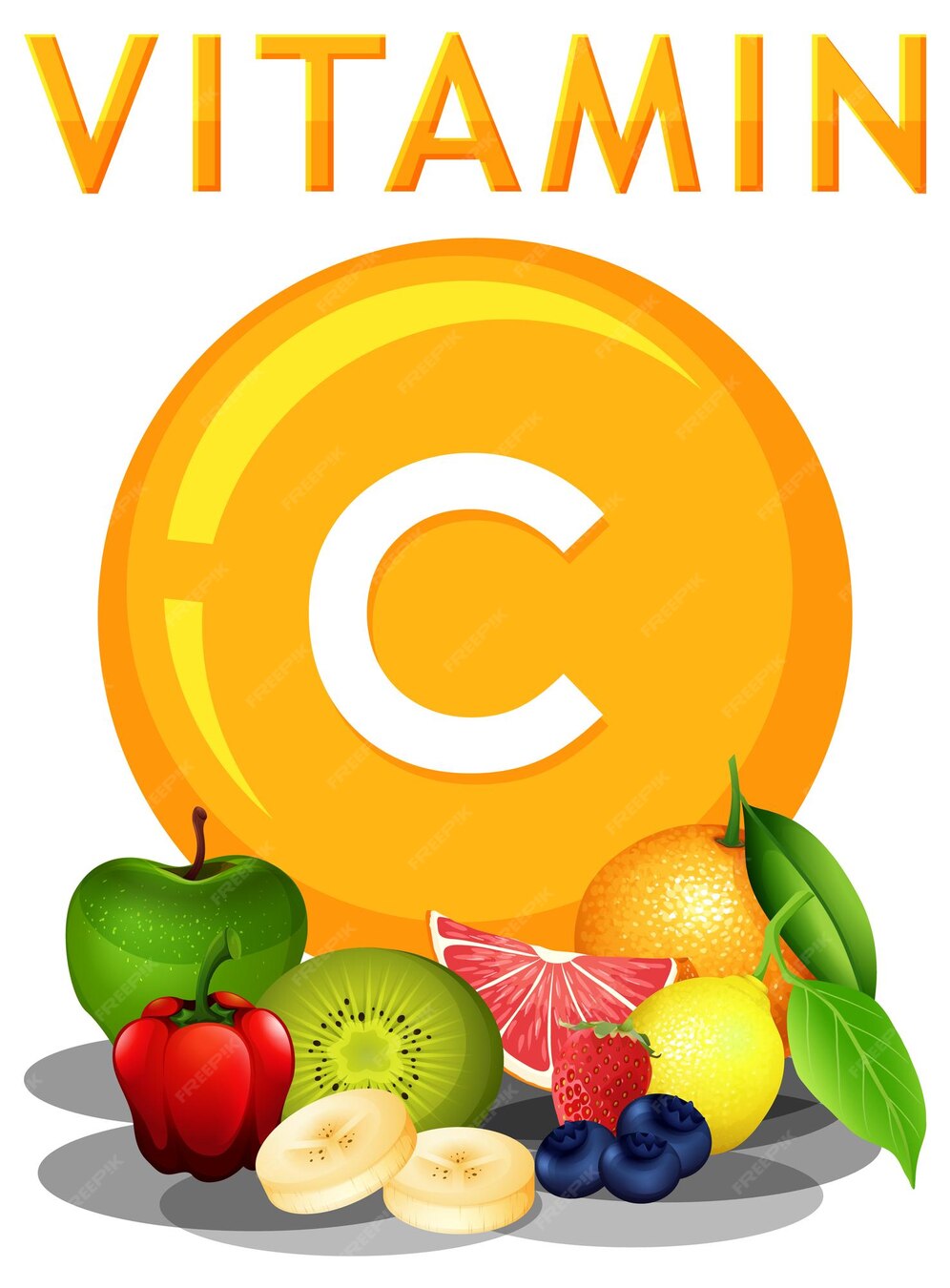
Iron—especially plant‑based, non‑heme iron—absorbs very poorly on its own. Vitamin C changes iron’s chemical form, making it easier for the body to use.
Why they work together: Vitamin C increases iron absorption in the intestines and reduces the likelihood of stomach upset.
Best for:
- Maintaining healthy iron levels
- Supporting oxygen transport and energy
Who should avoid it:
- People with hemochromatosis (iron overload)
- Anyone already on prescription iron supplements
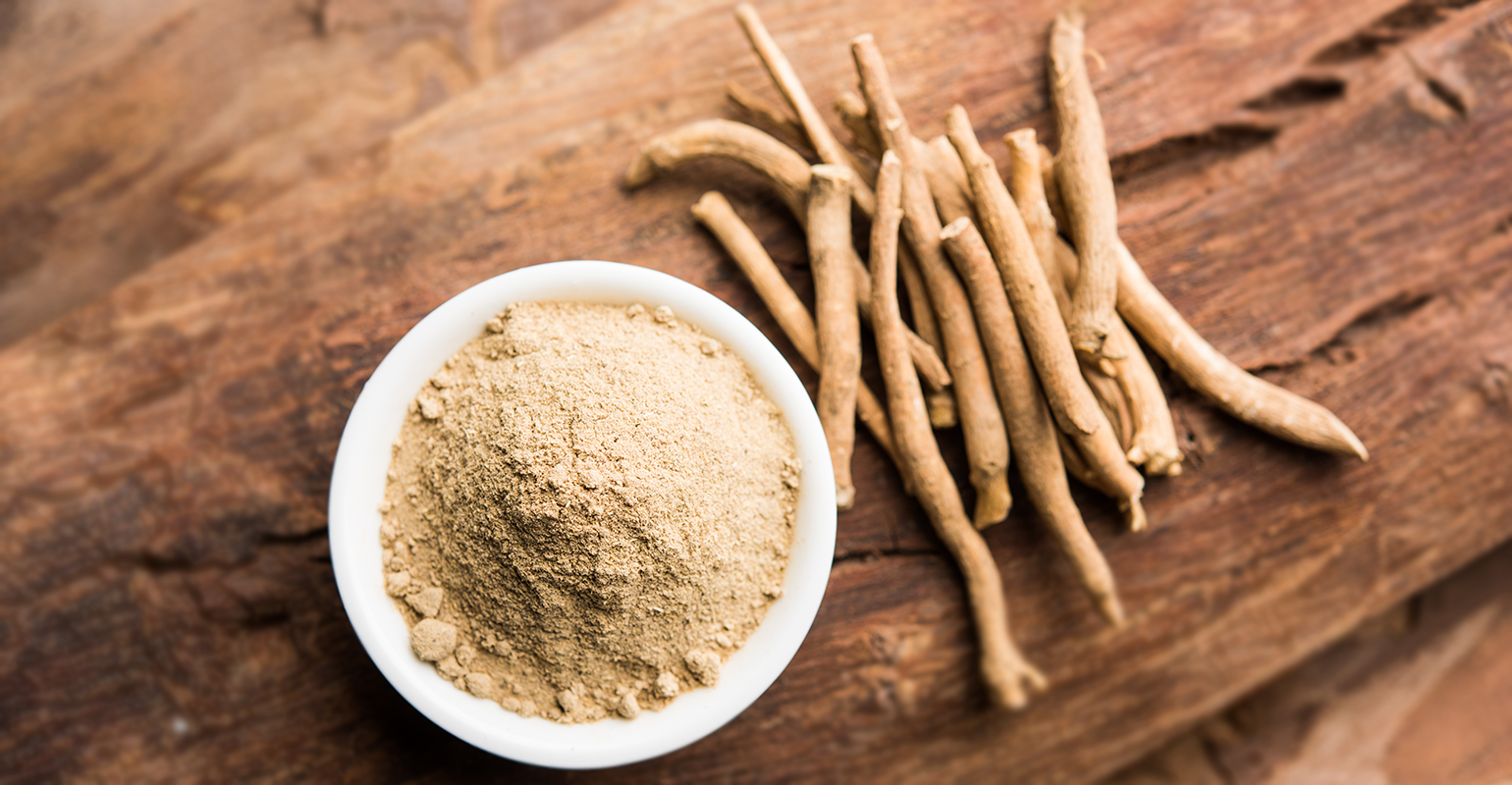
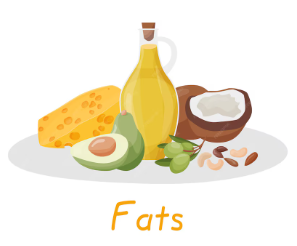
🔶 4. Ashwagandha + Healthy Fats
Ashwagandha is fat‑soluble, which means your body absorbs it far better when taken with a meal that includes healthy fats.
Why they work together: Fat acts as a vehicle to carry herbal compounds across the digestive barrier and into the bloodstream.
Best for:
- Balanced stress response
- Calm focus
- Nervous system support
Who should avoid it:
- Pregnant individuals
- Anyone with autoimmune thyroid conditions (unless cleared by their doctor)
🔶 5. Zinc + Copper
Zinc is vital for immune health, but long-term use of zinc alone can deplete copper levels. When these minerals are balanced, they support enzyme function, cardiovascular health, and overall mineral stability.
Why they work together: Zinc and copper compete for absorption in the gut; taking them together (in proper ratios) prevents imbalance.
Best for:
- Immune function
- Overall mineral balance
Who should avoid it:
- Individuals with Wilson’s disease
- Anyone taking prescribed mineral supplements


🌿 A Gentle Reminder from R & R Alternatives
We love sharing natural wellness tools, but it’s important to remember:
We cannot diagnose, treat, or prescribe.
Supplements affect everyone differently, especially if you’re taking medications or managing health conditions. Before starting any new supplement—or combining them—please speak with your physician or another trusted healthcare provider.
Our goal is to offer education, support, and affordable wellness options. We’re always here to help you explore what might be right for you, ask questions, and feel confident in your choices.
